Description
“`html
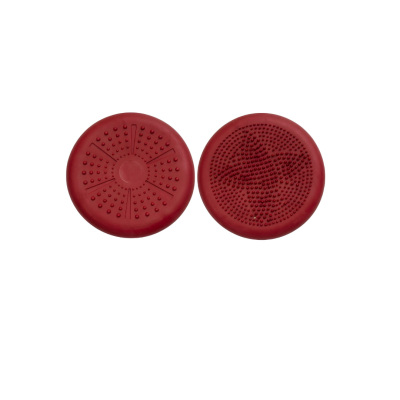
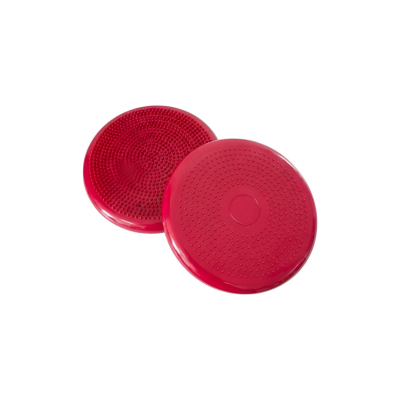
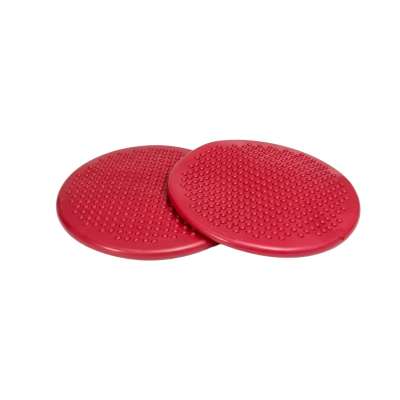
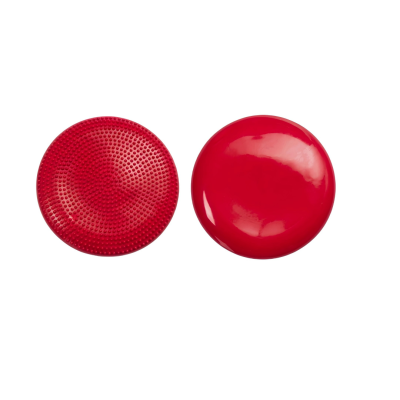
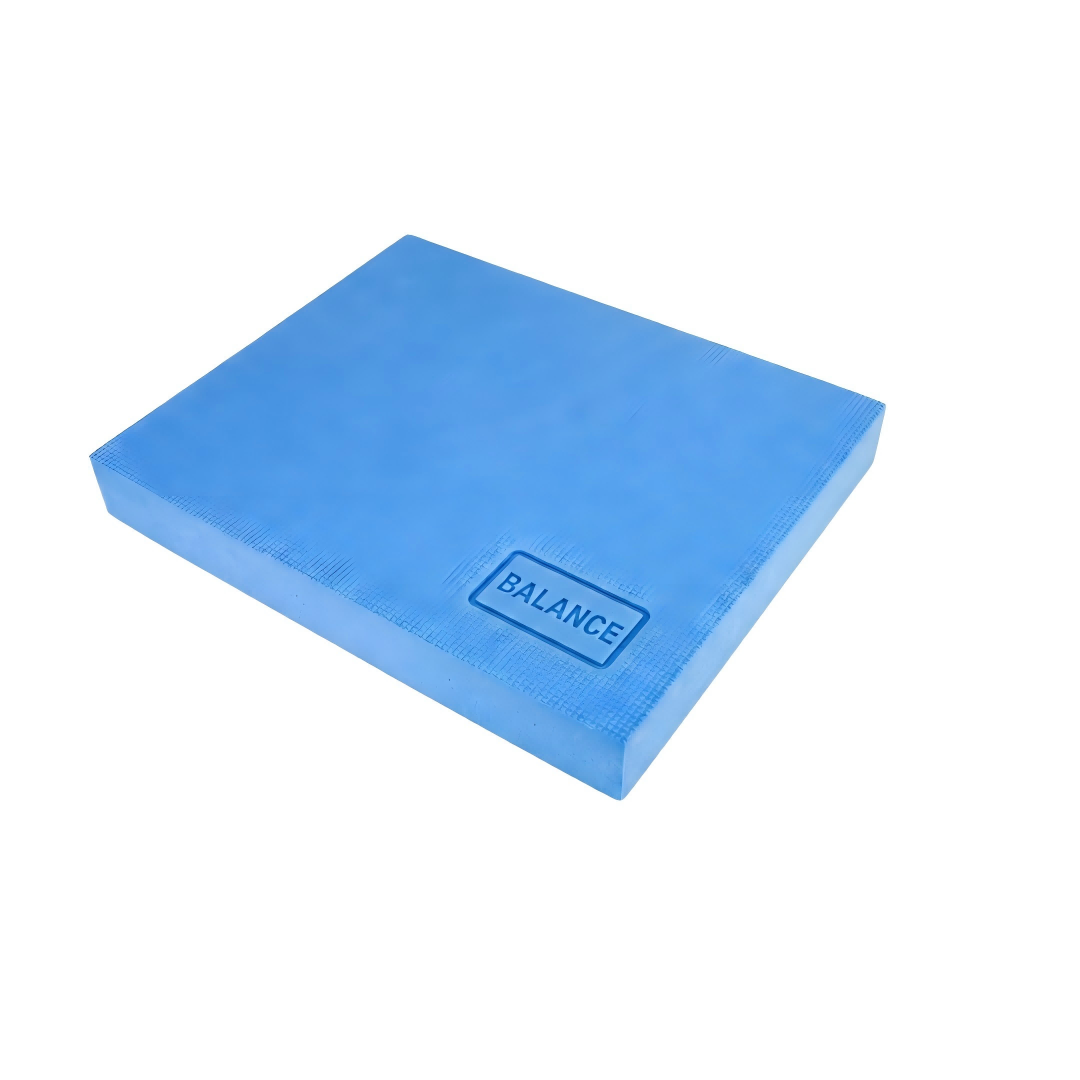
Foam Balance Pad
The Foam Balance Pad creates controlled instability under the feet, hands or body to challenge balance, coordination, proprioception and postural control.
The standard model can be supplied as shown, but it can also serve as a flexible development platform. Material, density, dimensions, thickness, surface texture, shape, layer structure, branding and packaging can all be adjusted around the intended training application and target market.
Product Overview
Soft Enough to Challenge. Stable Enough to Control.
The foam compresses under load and creates a constantly changing support surface. This controlled instability requires the user to make small continuous adjustments to maintain position and movement quality.
Balance Challenge
The compressible surface increases the demand for controlled balance and body positioning.
Proprioceptive Feedback
Changes in pressure and surface position provide continuous feedback during movement.
Core & Postural Control
Maintaining position requires coordinated postural and core adjustment.
Progressive Difficulty
Training difficulty can be influenced by pad density, thickness, exercise selection and stance.
One Pad. Multiple Training Environments.
Balance pads are widely used across rehabilitation, physiotherapy, functional fitness and general balance training because the level of instability can be controlled through product specification and exercise selection.
Balance Training
Static and dynamic exercises for balance and controlled stability.
Proprioception
Controlled unstable-surface exercises for body awareness and position control.
Rehabilitation
Suitable for appropriate progressive balance and movement exercises within rehabilitation programs.
Core Training
Adds controlled instability to postural and core-focused exercise.
Functional Fitness
Can be integrated into standing, kneeling and bodyweight training.
Yoga & Pilates Support
Adds an unstable surface for selected balance and control exercises.
Built for Rehabilitation, Fitness & Stability Ranges
The product can be positioned differently depending on density, dimensions, branding and target user, making it suitable for several B2B channels.
Rehabilitation Suppliers
Develop balance and proprioception products for clinics, therapists and rehabilitation programs.
Physiotherapy Distributors
Add different densities, sizes and stability levels to professional exercise ranges.
Fitness Brands
Position the pad for balance, functional training and home fitness programs.
Private Label Brands
Differentiate the product through density, shape, color, surface design and packaging.
Density, Shape and Structure Can Change the Product Experience.
A balance pad is not defined only by its color and logo. The foam specification itself is part of the product design.
You can begin with our standard Foam Balance Pad or develop a different version around your target user and training purpose. We can help evaluate materials, density, thickness, compression feel, dimensions, surface texture, shape, layer construction and mold development before sampling.
Material
Evaluate TPE, EVA and suitable foam structures around performance and positioning.
Density
Adjust firmness and compression behavior to create different stability levels.
Thickness
Change thickness according to instability, support and target application.
Shape & Size
Develop rectangular, square, curved or application-specific formats.
Surface
Evaluate texture, grip and visual surface patterns for the intended use.
Layer Structure
Explore single-layer or multi-layer constructions for different product concepts.
Mold & Branding
Develop embossed details, brand elements, custom shapes and dedicated tooling where appropriate.
Packaging
Build packaging around clinics, retail, e-commerce or professional distribution.
Tell Us the Stability Experience You Want to Create.
You can start with a reference pad, target user, rehabilitation scenario or desired firmness level. We can help translate the requirement into material, density, thickness, dimensions and structural options for sampling.
More Than One Standard Density
The same external dimensions can deliver a very different training experience depending on foam density, thickness and compression behavior. This gives brands room to build different levels or applications within one balance pad range.
| Product Direction | Softer / More Instability | Firmer / More Support |
|---|---|---|
| Balance Challenge | Higher | More Controlled |
| Compression | Greater | Lower |
| Typical Positioning | Dynamic Stability | Progressive / Controlled Training |
| Development Potential | Density · Thickness · Material · Surface · Shape · Structure | |
From Training Requirement to Production-Ready Pad
Development can begin from a target user or desired stability level. We progressively evaluate material and density, prepare samples and refine the final specification before bulk production.
Application
Density
Structure
Sample
Refinement
Production
Need a Different Balance Pad Experience?
Start with the standard Foam Balance Pad or develop a different specification around your user and training application.
Tell us the size, firmness, stability level, target user or product concept you need. We can help evaluate material, density, structure, surface design, branding and packaging before sampling.
“`